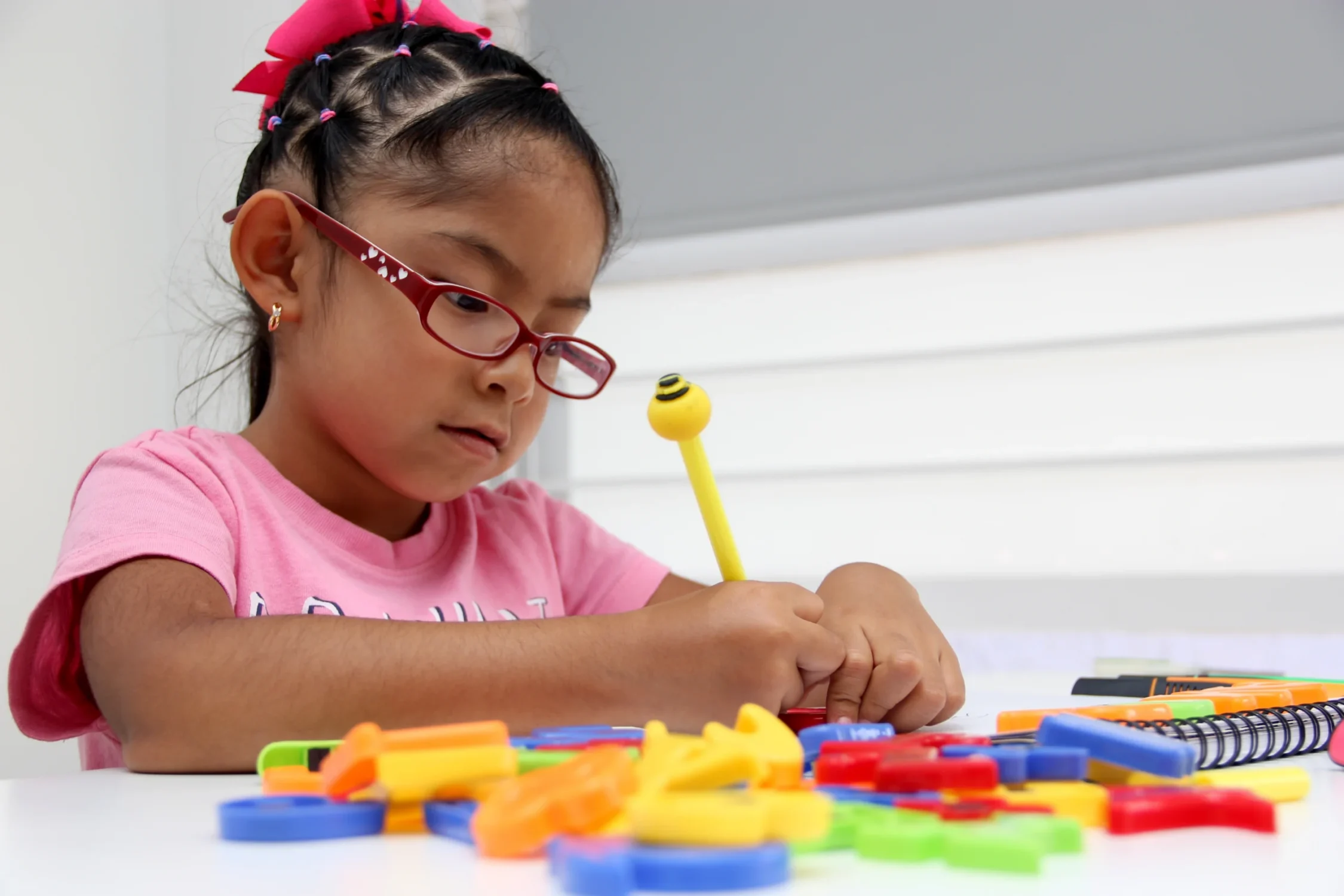

ABA therapy isn’t a single program that looks the same for every child. What a therapist works on with a two-year-old looks very different from what they work on with a nine-year-old — and that’s by design. The goals, the methods, the intensity, and even the setting change based on where a child is developmentally and what they need most right now.
If you’re trying to understand what ABA therapy would actually look like for your child, this guide breaks it down by age group so you know what to expect.
Why ABA Therapy Looks Different at Every Age
ABA therapy is built around each child’s individual goals, and those goals naturally change as children grow. A toddler needs to learn how to communicate basic wants and needs, engage in play, and navigate daily routines. A school-age child needs to manage a classroom, build friendships, and develop independence.
The therapists and BCBAs who design ABA programs track this closely. As a child develops, their treatment plan evolves with them. This article focuses on two key developmental stages: toddlers (ages 0–5) and school-age children (ages 6 and up).
ABA Therapy for Toddlers (Ages 0–5)
The early years are when the brain is most adaptable. Skills learned during this window tend to stick, generalize, and build on each other in ways that shape a child’s development for years to come. That’s why early intervention ABA therapy is so widely recommended for young children with autism — and why it tends to be more intensive than ABA at later stages.
What Does Toddler ABA Therapy Focus On?
For young children, the focus is on building the skills that all future learning depends on. That includes:
- Communication — learning to ask for things, label objects, respond to their name, and follow simple instructions
- Play skills — learning to engage with toys, take turns, and eventually play alongside other children
- Imitation — watching and copying others, which underlies so much of how children learn
- Daily routines — getting dressed, washing hands, toileting, and managing transitions between activities
- Managing big feelings and behaviors — learning to handle frustration, distress, and emotional overwhelm in ways that are safer and more effective than tantrums or self-injury
How Are Toddler ABA Sessions Structured?
ABA therapy for preschoolers and toddlers typically involves 20–40 hours per week, delivered in-home or at a center-based ABA therapy location. Sessions blend structured teaching with play-based methods like Natural Environment Teaching, where learning happens in the context of activities the child already enjoys.
Parent involvement at this stage is high — and intentionally so. When parents understand the strategies being used and can reinforce them at home, children make faster, more lasting progress. ABA parent coaching is a core part of effective early intervention.
What Does a Typical Session Look Like?
Toddler ABA sessions are built around what the child loves and how they naturally play. A therapist might sit on the floor with a three-year-old who loves toy cars, using them to work on requesting (“car, please”), taking turns, and labeling colors — all woven into play the child finds genuinely engaging. When the child asks for the car using words or a gesture, they get it right away — positive reinforcement that tells the child communication works.
ABA Therapy for School-Aged Children (Ages 6+)
When children reach school age, their world gets bigger and more demanding. They’re expected to sit in a classroom, follow a schedule, interact with peers, manage frustration, and absorb academic content — often all at the same time. ABA therapy for school-age children is built around the specific challenges this stage brings.
What Does School-Age ABA Therapy Focus On?
At this stage, the focus moves from building foundational skills to applying and expanding them in real-world settings:
- Classroom behavior — sitting, attending, following multi-step directions, and raising a hand instead of calling out
- Social skills with peers — joining a game, reading social cues, managing conflict, and maintaining a back-and-forth conversation
- Emotional regulation — recognizing frustration or anxiety and using strategies to manage it, rather than shutting down or acting out
- Academic readiness — staying on task, organizing materials, and following routines that support learning
- Independence in daily living — managing personal belongings, navigating transitions, and building the self-sufficiency that makes school life smoother
- Reducing behaviors that interfere with learning — learning to manage outbursts, avoidance, and difficulty with transitions so they don’t get in the way of progress at school
How Are School-Age ABA Sessions Structured?
As children get older and their skills grow, therapy hours often decrease — typically to around 10–20 hours per week. The methods used shift too, with more emphasis on real-world application and growing independence. Common approaches at this stage include:
- Natural Environment Teaching (NET) — practicing skills in real-life settings like the classroom, playground, or community rather than in a structured one-on-one setup
- Social skills training — working directly on the peer interactions that become so central to school life
- Self-management systems — teaching children to monitor their own behavior and responses, building independence over time
- Collaboration with teachers and school staff — BCBAs work closely with the school team to make sure what’s happening in therapy carries over into the classroom
At this stage, ABA therapy also tends to move into more settings. While toddler ABA mainly takes place at home or in a center, school-age children may also receive school-based ABA therapy or community-based sessions where they practice skills in playgrounds, stores, and other public spaces.
What Does a Typical Session Look Like?
A therapist might work with an eight-year-old on a structured activity that mirrors a classroom setting — practicing raising a hand to answer a question, waiting while someone else speaks, and managing the frustration of getting something wrong. These aren’t abstract skills. They’re the exact situations this child faces every day at school, practiced in a supportive environment until they become second nature.
Toddler vs. School-Age ABA: Key Differences
While both toddler and school-age ABA are built around the same core principles, the way therapy looks in practice is quite different. Here’s a quick comparison:
| Toddlers (0–5) | School-Age (6+) | |
| Intensity | Typically 20–40 hours/week | Typically 10–20 hours/week |
| Focus | Foundational skill-building | Skill application and generalization |
| Methods | Play-based, structured teaching | Naturalistic, peer-oriented, self-management |
| Settings | Primarily home or center | Primarily school, center, or community |
| Parent Role | High direct involvement | Collaborative monitoring and reinforcement |
The Case for Early Intervention (And Why It’s Never Too Late)
The research on early intervention is clear: children who start ABA therapy before age four or five tend to make the strongest gains. Earlier is better when it comes to building communication and reducing challenging behaviors, because the brain is more flexible during those early years and skills are easier to establish before patterns become entrenched.[1]
But if your child is older and you’re worried you’ve missed a critical window, you haven’t. ABA is effective at any age. School-age children make real, meaningful progress — it may look different from early intervention, but the therapy is no less valuable. Many families start ABA with a seven- or ten-year-old and see significant changes in behavior, communication, and independence.
Starting later isn’t a failure. Starting is what matters.
How ABA Therapy Grows With Your Child
As a child grows, their ABA program grows with them. A child who starts intensive early intervention as a toddler doesn’t suddenly stop benefiting when they turn six — their program adapts. Hours may decrease, goals shift toward independence and social skills, and sessions move into school and community settings where the real-world practice happens.
A child who starts ABA at seven or eight builds from wherever they are, working on the skills most relevant to their current life. The goals and methods will look different from early intervention, but the approach stays the same: individualized, evidence-based, and focused on what will make the biggest difference in this child’s day-to-day life.
If you’re wondering about timeframes, our article on how long ABA therapy takes to work covers that in more detail.
How United Care ABA Supports Children at Every Stage
United Care ABA works with children from toddlerhood through school age, across New York, New Jersey, and Colorado. Every child’s program starts with a thorough ABA assessment and a treatment plan designed by a BCBA around that child’s specific needs and goals.
We offer in-home, center-based, school-based, and community sessions, working closely with families and school teams throughout. We accept Medicaid and most major insurance plans, and our team handles benefits verification and authorization so you’re not navigating that alone.
If you’d like to learn more about how ABA therapy helps children at different ages, or you’re ready to take the next step, you’re welcome to schedule a consultation today.
FAQs About ABA Therapy by Age
What age is best for starting ABA therapy?
Research consistently shows that starting before age four or five leads to the strongest outcomes, because the brain is most adaptable during those early years.[2] That said, ABA is effective at any age, and older children make meaningful progress too. The best time to start is as soon as a diagnosis is in place.
How many hours of ABA does a toddler need?
Most toddlers in early intensive intervention receive 20–40 hours of ABA per week. The exact number depends on the child’s needs, their current skill level, and what their BCBA recommends after an initial assessment.
Is ABA therapy still effective for older children?
Yes. The goals and methods shift as children get older, but ABA remains an evidence-based, effective intervention for school-age children. Many families see significant progress in behavior, social skills, and independence when ABA begins at school age.
What does ABA look like for a 3-year-old vs. a 7-year-old?
For a three-year-old, therapy might focus on learning to ask for things, engage in play, and follow simple routines — often through play-based activities at home or in a center. For a seven-year-old, the focus shifts to classroom behavior, managing peer interactions, and building the independence needed for school life.
How do therapy goals change as my child gets older?
Early goals tend to focus on communication, play, and daily living skills. As children grow, goals shift toward applying those skills in real-world settings (e.g., school, friendships, and community) and building greater independence. A BCBA updates the treatment plan regularly to reflect where the child is and where they’re headed.
Can my child receive ABA therapy at school?
In many cases, yes. United Care ABA offers school-based ABA therapy and collaborates with school teams to support children in the classroom. Eligibility and logistics vary, so it’s worth discussing with your provider. You can also browse our ABA parent resources for more information.
2 References
-
1. Avula, S. M. B. T. S. S. V. L. X. B. H. W. S. &. M. I. A. (2025). The Impact of Early Intensive Behavioral and Developmental Interventions on Key Developmental Outcomes in Young Children With Autism Spectrum Disorder: A Narrative Review.. Open source
-
2. Hyman, S. L. S. &. M. S. (2020). Identification, Evaluation, and Management of Children With Autism Spectrum Disorder.. Open source