
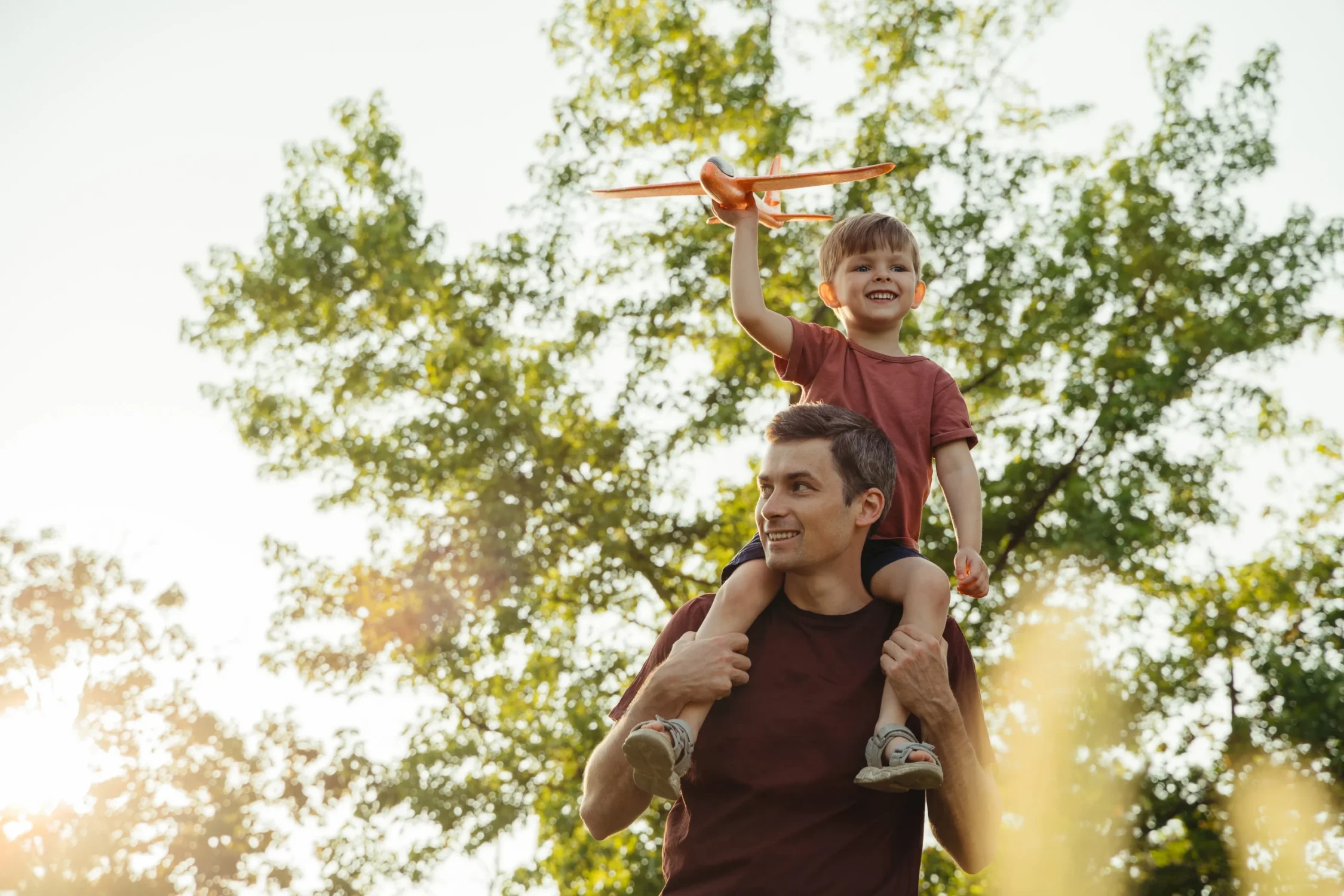
Does your child light up when jumping, swimming, or dancing? For children with autism, the right kind of movement can do a lot. A review of 37 studies found that regular exercise can improve motor performance, cognitive function, social relationships, and behavioral problems in children with autism.[1]
If you haven’t yet incorporated a regular exercise routine for your child, know that there are countless ways for them to reap the benefits. Whether it’s running, martial arts, or gymnastics, the best exercise is the one that your child enjoys and can engage in regularly.
In this guide, we’ll cover what the research says about exercise, share activities worth trying at home, and explain how ABA therapy can help make movement a lasting part of daily life.
Why Exercise Matters for Children with Autism
The benefits of exercise go far beyond physical health and disease prevention in children with autism. As children run, jump, climb, and play, they strengthen the connection between the brain and body. Regular physical activity promotes neuroplasticity, the brain’s ability to form and strengthen neural connections, in core areas like motor development, attention, and emotional regulation. Over time, this can lead to better focus, fewer challenging behaviors, and greater independence in everyday activities.
Physical activity also helps children integrate sensory information from their muscles, joints, eyes, and balance system, making it easier to regulate their responses to the world around them. This, in turn, can reduce meltdowns and impulsive behavior.
Physical and Motor Development Benefits
Children with autism often have motor development delays in areas like balance, coordination, and gross motor strength. ABA providers, often in tandem with occupational therapists,
can help children strengthen their motor skills by providing exercises tailored to their motor deficits.
Emotional Regulation and Behavior
Exercise releases mood-boosting neurotransmitters and calms the nervous system, all while helping children to meet their sensory needs. This physiological impact can reduce anxiety, improve self-regulation, and decrease challenging behaviors. A 2025 meta-analysis found that exercise interventions significantly improved behavioral problems in children with autism. [2]
Social Skills and Communication
From playing catch with a parent to joining a swimming or martial arts class, exercise naturally encourages communication, cooperation, and turn-taking. Research found that physical activity programs designed for children with autism — including horseback riding, group play, and jogging, can significantly improve social and communication skills.
Gross Motor Activities for Kids with Autism
Many children with autism experience delays in gross motor skills like running, jumping, and climbing because they process sensory information differently. Gross motor exercises help strengthen these foundational skills through fun, engaging movement. The activities below can be adapted to your child’s age, ability level, and sensory preferences:
Obstacle courses
Obstacle courses combine several gross motor activities, such as crawling through tunnels, jumping over objects, or weaving around cones. Moving from one obstacle to the next helps children practice motor planning, the ability to plan and coordinate their movements, while improving balance and body awareness.
Animal walks
Bear crawls, crab walks, frog jumps, and other animal walks encourage children to move on their hands and feet in different ways. These playful movements strengthen coordination, core stability, and body awareness.
Trampoline jumping
Jumping up and down on a trampoline strengthens the legs and activates the vestibular system, which helps the brain process movement and balance. Because many children with autism struggle with balance and body awareness, practicing these movements can make everyday activities feel easier.
Balance beam walking
Walking across a balance beam requires children to control their posture and make constant adjustments to stay upright. This strengthens balance, coordination, and core stability while improving body awareness.
Ball games
Rolling, tossing, catching, and kicking a ball strengthens hand-eye coordination by teaching children to coordinate what they see with how they move. This can be especially helpful for children who have difficulty tracking moving objects or timing their movements.
Climbing
Climbing challenges children to support their body weight while coordinating both the upper and lower body. Because many children with autism have reduced muscle strength and coordination, climbing is a fun way to build these skills.
Sensory Exercises for Autism
Differences in sensory processing are common among children with autism, whether that’s becoming overwhelmed easily or seeking out more movement to feel regulated.
Sensory exercises meet these needs by providing vestibular input, which helps the brain process movement and balance, and proprioceptive input, which gives the brain feedback from muscles and joints to improve body awareness. Together, these forms of sensory input can help children feel calmer, focus more easily, and better regulate their responses to the world around them.
An ABA provider or occupational therapist can help identify which sensory activities best match your child’s sensory profile. Common sensory exercises include:
- Swinging
- Yoga
- Heavy work activities (pushing, pulling, or carrying objects)
- Stretching routines
- Movement imitation or mirror games
Structured Sports and Activities
Sports with clear rules and predictable routines are often a good fit for autistic children. The consistency and predictability of these activities help reduce uncertainty, allowing children to focus on learning new skills instead of adjusting to unexpected changes. This approach also aligns with ABA therapy, which uses repetition, routines, and positive reinforcement to build lasting skills.
Structured activities that are often a good fit include:
- Swimming
- Cycling
- Martial arts
- Gymnastics
- Dance
- Track and running
Social Physical Activities to Build Interaction
Social physical activities help children practice the same interaction skills targeted in ABA therapy, including communication, turn-taking, joint attention, and cooperation. Because these skills are reinforced during play, children can continue building them in a fun, natural setting outside of therapy sessions.
Activities that encourage social interaction include:
- Partner ball games
- Relay races
- Cooperative obstacle courses
- Follow-the-leader
- Group dance games or classes
Tips for Making Exercise Work at Home
Creating an exercise routine for your child with autism is one of the best ways to support their development and self-regulation outside of therapy sessions. These simple strategies can help make physical activity more enjoyable and easier to maintain.
Choose activities your child already enjoys
Familiar activities provide a sense of comfort and are more likely to become lasting habits.
Visual schedules and demonstrations
Showing your child what to expect can make new activities feel more predictable and encourage participation.
Simple, concrete instructions
Break activities into small steps instead of giving multiple directions at once.
A consistent routine
Scheduling movement at the same time each day helps children know what to expect and prevents resistance or meltdowns.
Positive reinforcement
Praise, rewards, and other forms of positive reinforcement make exercise feel more enjoyable for children and help them stick with the habit.
Sensory breaks
Take short breaks that incorporate sensory activities, like swinging or stretching, if your child becomes overwhelmed.
Participation over perfection
Celebrate effort and progress rather than doing every activity perfectly.
How ABA Therapy Supports Healthy Exercise Habits
ABA therapy is all about helping children learn new skills, and exercise relies on many of the same core principles. Both incorporate structured routines, positive reinforcement, and skill-building through repetition.
Combining ABA therapy with regular physical activity builds new skills and turns them into everyday habits. BCBAs and RBTs can help you identify activities that match your child’s sensory profile and make a plan for incorporating them in and outside of therapy.
At United Care ABA, we partner with families to develop individualized behavior plans that support physical, social, and emotional development. Learn more about our ABA therapy programs.
Supporting Your Child’s Development Beyond Exercise
From planning extracurricular activities to fitting in therapy sessions, parenting a child with autism or developmental delays can feel like a full-time job. What makes it all worthwhile is watching your child grow more confident, master new skills, and become more independent.
At United Care ABA, we see firsthand how beneficial it is to combine regular physical activity with one-on-one ABA therapy. Both evidence-based strategies rely on consistency, positive reinforcement, and the use of each child’s natural interests and strengths.
If you’re looking for personalized ABA therapy that supports your child’s physical, social, and emotional development, contact United Care ABA today.
Frequently Asked Questions About Autism and Exercise
Does exercise help children with autism?
Yes, research shows that regular exercise helps children with autism improve their gross motor, social, behavioral, and cognitive skills.
What are the best exercises for kids with autism?
The best exercise is one that they enjoy enough to do consistently. It should also be one that fits their sensory and motor profile. Swimming, yoga, obstacle courses, and structured sports with predictable routines tend to work well for many autistic children.
What are sensory exercises for autism?
Sensory exercises provide vestibular (movement and balance), proprioceptive (muscles and joints), and tactile (touch) input to help children regulate their bodies and process sensory information more effectively. Common examples include swinging, yoga, heavy work, and stretching.
How much exercise should a child with autism get?
The official CDC recommendation for school-aged children is 60 minutes of physical activity a day. For autistic children, this often looks like shorter sessions throughout the day rather than a single time block that could be too overwhelming.
- Jia, M. Z. J. P. J. H. F. &. Z. Z. (2024). Benefits of exercise for children and adolescents with autism spectrum disorder: a systematic review and meta-analysis.. ↩︎
- Wang, Y. Q. G. M. S. &. Z. S. (2025). The impact of physical exercise interventions on social, behavioral, and motor skills in children with autism: a systematic review and meta-analysis of randomized controlled trials. .