child and therapist engaged in one-on-one aba therapy

One-on-One ABA Therapy

One-on-one ABA therapy gives your child a dedicated therapist whose complete focus is on them. Your child doesn’t wait for turns or share their therapist’s attention.

Every session focuses entirely on their specific goals and challenges. Whether your child is learning to speak their first words at age six, managing meltdowns that come from nowhere, or figuring out how to handle changes in routine, every minute gets tailored to what they need right now.

Do you wonder if your child will ever be able to tell you what’s bothering them? If their meltdowns will ever stop feeling so unpredictable? If you’ll ever make it through a simple morning routine without everything falling apart?

One-on-one ABA therapy addresses these concerns.

What Is One-on-One ABA Therapy?


One-on-one ABA therapy means your child works directly with a trained therapist who gives them undivided attention throughout each session. Applied Behavior Analysis (ABA) is an evidence-based treatment that helps kids with autism and developmental delays learn new skills and work through challenging behaviors.

When we say “one-on-one,” we’re talking about how therapy gets delivered, not where it happens. Your child gets a trained therapist’s complete attention whether that’s at home, at school, or in the community.

Group therapy has its place. Kids practice social skills together, learn to share, work on taking turns. But in a group, the therapist’s attention gets divided. With one-on-one therapy, every  teaching moment belongs entirely to your child.

Types of One-on-One ABA Approaches

What does one-on-one therapy actually look like in practice?

It depends on your child. A BCBA designs the program around your child’s specific needs, not generic age groups or cookie-cutter timelines. Here are the most common approaches:

1.

Comprehensive ABA

Comprehensive programs run 20 to 40 hours per week and tackle multiple developmental areas at once. Monday morning might focus on teaching picture card communication. Tuesday afternoon, practicing sitting still during snack. Wednesday, working on eye contact for just a few seconds. This wide-ranging support works best for younger children building foundational abilities across communication, self-care, behavior, and play skills all at once.

2.

Focused ABA

Sometimes the problem sits in one specific area. Your child who reads well but melts down whenever the schedule changes doesn’t need comprehensive coverage. She needs focused hours on this one challenge. The therapist teaches body awareness when change is coming. She introduces visual timers so your child can see transitions before they happen.

3.

Natural Environment Teaching (NET)

Some kids learn better when therapy doesn’t look like school. A child obsessed with trains learns language when his therapist holds the red engine and waits. He has to say “red train please” to get it, not just echo phrases from shows. Learning happens through play and daily routines, which means kids stay engaged instead of shutting down.

4.

Discrete Trial Training (DTT)

Kids with autism often can’t learn social skills just by watching others. DTT fills those gaps through direct, repeated teaching with immediate reward. The therapist holds up a card showing a happy face. “What feeling?” Your child says “Happy!” They immediately get to watch part of a favorite video. Ten minutes later, they’ve practiced this twenty times and added a sad face.

5.

Early Intensive Behavioral Intervention

Research shows that starting intervention before age five produces the strongest outcomes. EIBI programs run 25 to 40 hours weekly for very young children who need intensive work on basic building blocks. Does the child respond to their name? Can they copy simple actions like clapping? Will they tolerate gentle touch? These fundamental skills form the foundation for everything that comes later.

How One-on-One ABA Therapy Changes Daily Life


The Therapist Catches What Others Miss

A therapist focusing only on your child means they’ll notice even small changes in behavior. They’ll know that your child starts rocking before a full meltdown and make sure noise-canceling headphones are on hand. They’ll realize that transitions trigger meltdowns every time and use a visual countdown timer so your child can see exactly when changes are coming.

Learning Happens at Your Child’s Pace

Eye contact takes some kids three weeks to learn. Others need half a year just to stay in the same room with another person without covering their ears. One-on-one therapy moves at whatever speed your child needs. 

Behaviors Get Real Solutions, Not Just Management

When your child bites or bangs their head, therapists pay attention to what triggers it. Once they identify the trigger, they can teach your child better ways to respond. They might learn to use communication cards, ask for breaks, or practice calming strategies. Understanding why a behavior happens, helps to implement real change.

Independence Shows Up in Small Moments

Skills that require constant help, like choosing clothes in the morning, brushing teeth at night, or playing with a sibling, slowly become things your child can do on their own. Therapists create visual supports like photo schedules or checklists to show each step clearly. Your child learns to handle these tasks independently, building confidence with each new win.

You Learn Strategies That Work Long-Term

Therapists teach you techniques that become part of your daily toolkit. You learn to use a simple hand signal when your child needs to leave a situation quietly. You discover that offering two choices stops arguments over meals or clothes. You practice deep pressure techniques that calm your child during overwhelming moments. These strategies work long after therapy ends, giving you confidence to handle each new challenge.


happy behavioral analyst encouraging girl in ABA center, learning through positive reinforcement

Where One-on-One Therapy Actually Happens

“One-on-one” describes who works with your child, not the location. Therapy happens wherever your child needs to learn specific skills.

Morning meltdowns happen at home? The therapist arrives at 6:45 AM and works through the actual routine in your child’s actual bedroom with their actual backpack and clothes. Skills get practiced right where they’ll get used. No guessing whether things will transfer.

Music class triggers overwhelm? The therapist sits right there on the classroom floor during music time. She helps with noise-reducing headphones and teaches hand-raising for breaks. The teacher learns the same signals so support continues all day.

Parking lots feel dangerous because your child runs toward cars? The therapist practices hand-holding in real parking lots with real traffic. Then she works on waiting at checkout lines while other shoppers jostle around. Most kids benefit from mixing settings.

What works best depends entirely on where your child is right now and what challenges they’re facing.

What to look for in One-on-One Therapy

Taking this step can feel overwhelming. You might worry about whether your child is ready, whether the time commitment is too much, whether this will actually help.

When choosing a one-on-one ABA provider, look for:

BCBAs who stay actively involved. They should check data every week, watch sessions regularly, and adjust strategies when progress slows. Consistency matters with autism. One week of mixed messages can undo a month of progress.

True partnership where your input shapes everything. Maybe communication matters more to you right now than sitting still. Maybe reducing self-injury is the top priority. Your family’s real priorities should guide the goals.

Clear data you can actually understand. You should see actual numbers showing how many times your child asked for help this week versus last week. How many transitions happened without meltdowns? How long did they maintain eye contact? Progress should be concrete, not vague reassurances.

United Care ABA offers one-on-one therapy with these principles at the center of everything we do.

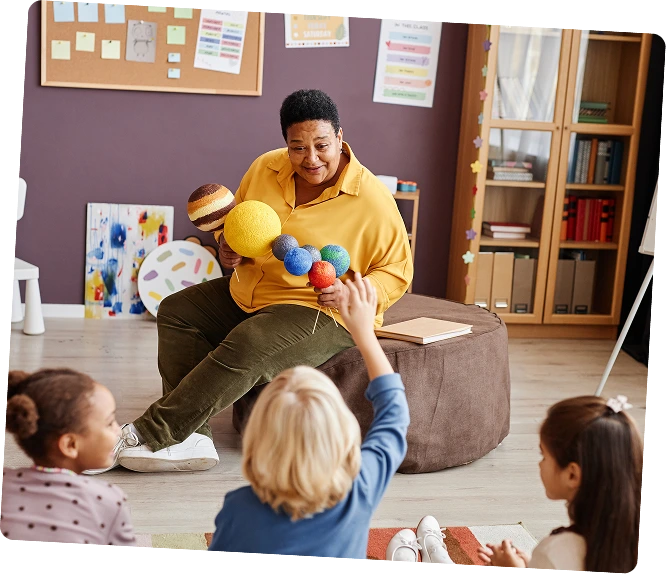
Teacher showing a model of the solar system to children in a classroom

Ready to See What's Possible?

One-on-one therapy gives your child focused support that meets them exactly where they are. Whether that’s learning first words, managing overwhelming feelings, or building independence in daily routines.