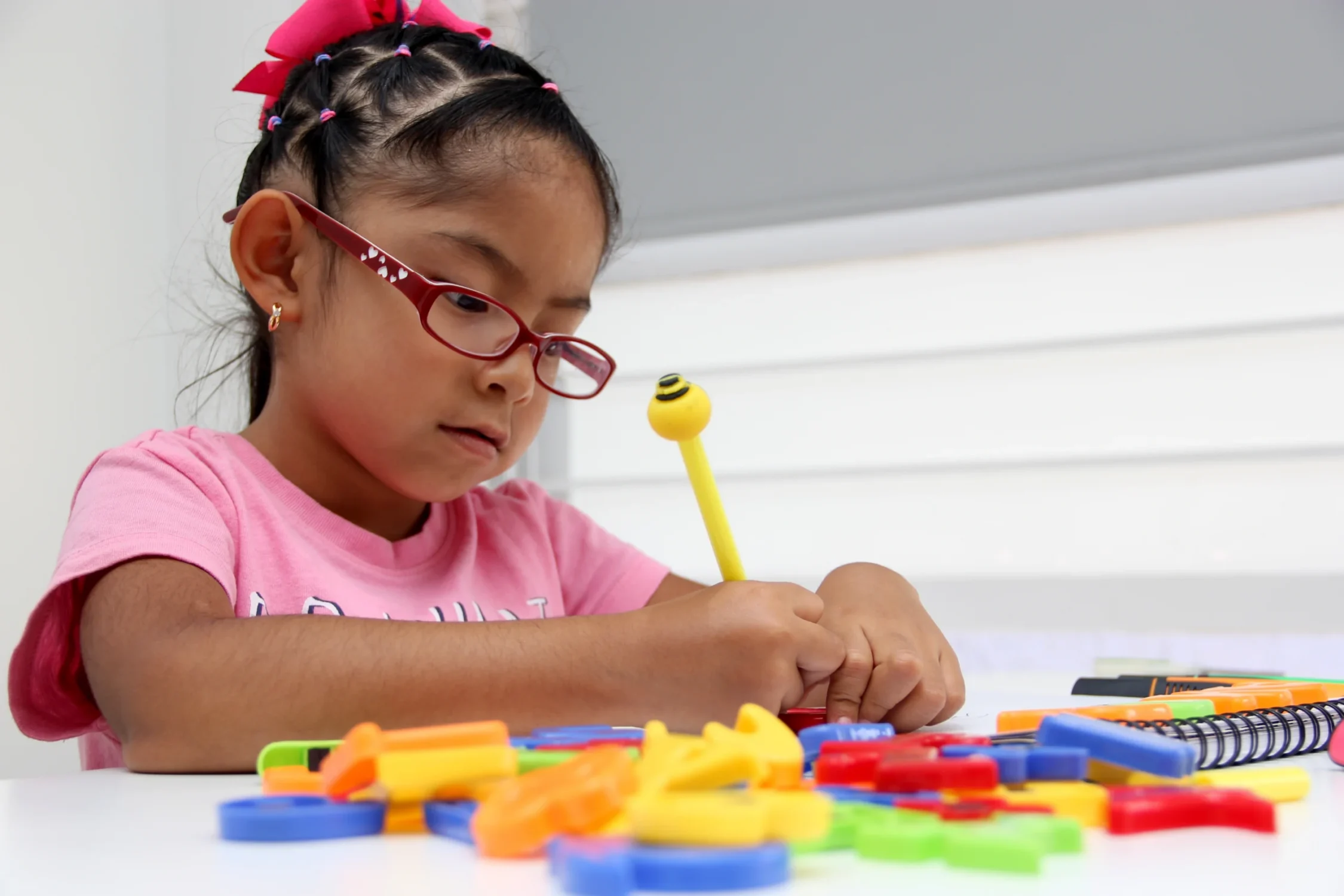

You’ve made the decision. Your child has started ABA therapy. Sessions are happening, your BCBA has created a treatment plan, and now you’re in the waiting game—watching, wondering if this is actually making a difference.
It’s a question almost every parent asks at some point: how do I know if ABA therapy is working for my child?
The honest answer is that progress in ABA therapy doesn’t always look like a lightbulb moment. It’s rarely dramatic. Most of the time, it’s gradual, subtle, and buried in the details of everyday life—the kind of thing you might not notice until you look back at where you started. But when you know what to look for, the signs are there.
This guide will walk you through the key signs that ABA therapy is working, how therapists measure progress behind the scenes, and what to do if you’re not seeing the changes you hoped for yet.
How Is Progress Measured in ABA Therapy?
Before we talk about what progress looks like at home, it helps to understand how it’s being tracked in therapy.
Every ABA session involves data collection. Your child’s therapist is observing and recording specific, observable behaviors, such as how many times your child used a word, how long they stayed engaged in an activity, or whether they completed a self-care task independently. These aren’t gut feelings or vague impressions; they’re measurable data points.
Your BCBA reviews this data regularly—sometimes weekly, sometimes more often—and uses it to adjust your child’s treatment plan. They might update goals, refine strategies, or shift the approach entirely if something isn’t working.
You should also be receiving regular progress updates. This might look like monthly summaries, parent meetings, or informal check-ins where your BCBA walks you through the data and explains what it means. If you’re not getting this kind of communication, ask for it. You have every right to see how your child is progressing.
The point is this: your child’s progress is always being measured, even when you can’t see it day to day. The system is designed to catch patterns you might miss in the moment.
Key Signs ABA Therapy Is Working
So what does progress actually look like when it shows up in real life? Here are the signs parents most often notice first:
Your Child Is Communicating More
This is one of the clearest indicators. Your child might be using more words, gestures, signs, or even a communication device to express what they need or want. Maybe they’re requesting items by name instead of pointing and grunting. Maybe they’re answering simple questions or greeting people when they walk into a room.
It doesn’t have to be perfect speech. A child who starts tugging your hand and saying “juice” instead of screaming in the kitchen is making real progress. A child who begins using picture cards to ask for help is communicating. Even increased eye contact during interactions counts.
If you’re noticing more intentional communication of any kind, that’s a sign therapy is working. Learn more about how ABA strengthens communication skills.
Challenging Behaviors Are Happening Less Often
Tantrums, aggression, self-injury, or meltdowns might not disappear overnight, but they should start happening less frequently or with less intensity. Transitions between activities might become smoother too. Getting out the door in the morning or switching from playtime to dinnertime becomes less of a battle.
You might notice that a meltdown that used to last 30 minutes now lasts 10. Or that morning routines are taking half the time they used to. These might seem like small changes, but they’re significant. They show your child is developing better coping skills and emotional regulation.
Your Child Is Doing More Independently
Your child might start doing more on their own—brushing teeth with less help, getting dressed independently, or following a routine without constant prompting. Even partial independence counts here.
Maybe your child can now put on their own socks, even if you still need to help with the shoes. Maybe they’re carrying their plate to the sink after meals or washing their hands without being reminded every single step.
These are real gains. They show your child is learning to navigate their own world with more confidence and less reliance on others.
Social Engagement Is Improving
Social growth can be subtle, especially for children who have struggled with peer interaction. You might notice your child showing more interest in being around other kids. Maybe they sit near peers during playtime instead of isolating in a corner. Maybe they initiate interaction by handing a toy to another child or saying “hi” unprompted.
Turn-taking during games, responding to greetings, and tolerating shared spaces for longer periods are all signs of social progress. Even small shifts in how your child relates to others show meaningful growth.
Emotional Regulation Is Getting Stronger
Watch for how your child manages big emotions. Are they using coping strategies they’ve learned in therapy—taking deep breaths, asking for a break, or finding a calming tool when they feel overwhelmed?
A child who used to spiral after being told “no” but now stomps their foot and walks away is regulating better. A child who asks to go to a quiet space when overwhelmed instead of hitting is using skills. Progress in emotional regulation and ABA therapy often shows up in moments of stress.
Skills Are Showing Up Outside of Therapy
Generalization is one of the strongest signs that ABA therapy is working. That means your child is using skills they learned in therapy sessions in other settings—at home, at school, in the community—without being prompted.
Your child might start using “help please” at a restaurant after learning it during therapy. They might follow a visual schedule at home the same way they do at the center. They might greet Grandma at the door using the same phrases they practice with their therapist.
When skills transfer into real life, it means they’re sticking. Your child isn’t just performing for the therapist—they’re actually learning. Natural Environment Teaching in ABA is designed specifically to help this kind of transfer happen.
Your Child Seems Happier and More Confident
This one’s harder to measure, but parents often describe it as a shift in their child’s overall demeanor. Your child might seem more relaxed, more willing to try new things, or more engaged with the world around them. They might smile more. They might initiate activities instead of waiting to be directed.
When a child feels more capable, it often shows in their mood. If your child seems generally happier, that’s an indication that therapy is helping them feel less frustrated and more in control of their world.
What If Progress Feels Slow?
Let’s be honest: ABA therapy doesn’t always feel like it’s moving forward. Some weeks you’ll see breakthroughs. Other weeks will feel completely stagnant. That’s normal.
Progress in ABA is rarely linear. Your child might master a skill one week and then seem to forget it the next. They might have a rough few days where old behaviors come roaring back. This doesn’t mean therapy isn’t working. It means your child is learning, and learning is messy.
Sometimes challenging behaviors actually spike when your child is learning something new. This is called an extinction burst—a temporary increase in difficult moments that happens when an old behavior is no longer being reinforced the way it used to be. It can feel like things are getting worse, but it’s often a sign that change is happening under the surface.[1]
The key question isn’t whether every single day looks different. It’s whether the data shows a trend over time. Are the hard behaviors decreasing overall, even if they spike occasionally? Are the positive skills increasing, even if progress is slower than you’d like?
Small gains compound. A child who learns to wait five seconds for a snack this month might be able to wait 30 seconds in three months. Each small step makes the next one possible.
If you’re wondering how long ABA therapy takes to work, the answer varies—but most families start seeing measurable changes within three to six months.[2]
What to Do If You’re Not Seeing Change
If you’ve been in therapy for a while and you’re genuinely not seeing signs of progress, it’s time to have a conversation with your BCBA. This isn’t a failure on your child’s part or a sign that therapy doesn’t work. It’s an opportunity for collaborative problem-solving.
Here’s what you can do:
Ask to see the data. Your BCBA should be able to show you graphs, charts, or reports that track your child’s progress on specific goals. Sometimes progress is happening in therapy sessions even if you’re not seeing it at home yet.
Review the goals. Are they still appropriate for where your child is now? Goals that are too ambitious or not ambitious enough can stall progress. Your BCBA can adjust them.
Consider environmental factors. Has something changed recently—a new sibling, a move, a different school schedule? External stressors can impact therapy progress. Your treatment plan might need to account for those changes.
Talk about generalization. If your child is making progress in therapy but not at home, the issue might be about transferring skills to new environments. Your BCBA can build more generalization strategies into the plan, and ABA parent coaching can help you reinforce skills outside of sessions.
Therapy plans aren’t set in stone. If something isn’t working, it should be adjusted. You’re not being difficult by asking questions—you’re being a good advocate for your child.
How United Care ABA Keeps Parents Informed
At United Care ABA, parent communication is built into every treatment plan from the start. You’re not a bystander in your child’s therapy. You’re a partner.
That means regular check-ins with your BCBA, transparent access to progress data, and clear explanations of what the numbers mean and where your child is headed next. It also means parent coaching, so you can recognize progress when it happens at home and reinforce the skills your child is building in therapy.
If you have questions about how your child is doing or why a strategy was changed, you don’t have to wait for the next scheduled meeting. Your BCBA is available to walk you through it.
If you’re ready to learn more about what to expect, check out our guide on ABA therapy or explore our ABA parent resources. You can also schedule a consultation to talk through your questions with our team.
FAQs About Progress in ABA Therapy
How long does it take to see results from ABA therapy?
Most families start noticing measurable changes within three to six months, though every child’s timeline is different. Early signs might include improved communication, fewer tantrums, or small gains in independence. Bigger milestones (like full sentences or consistent self-care routines) can take longer. Progress builds over time, and what matters most is whether you’re seeing a positive trend in the data, not whether every week feels like a breakthrough.
How do I know if ABA therapy is working for my child?
Look for signs like increased communication (more words, gestures, or device use), fewer challenging behaviors, greater independence in daily tasks, improved social engagement, better emotional regulation, and skills showing up outside of therapy. Your BCBA should also be sharing progress data with you regularly. If the data shows improvement in targeted behaviors over time, therapy is working—even if day-to-day life still feels hard sometimes.
What does ABA therapy progress look like?
ABA progress is gradual and data-driven. It might look like your child asking for help instead of screaming, recovering from frustration faster, or completing morning routines with fewer prompts. Progress often shows up in small, measurable increments. For example, a child who can wait five seconds for a snack might later be able to wait ten seconds, then thirty. Therapists track these changes through how therapists measure behavior patterns and adjust goals as your child improves.
What if ABA therapy doesn’t seem to be working?
Talk to your BCBA. Ask to see the data, review whether goals are still appropriate, and discuss any recent changes in your child’s environment or routine. Sometimes progress is happening in therapy sessions but not generalizing to home yet, which means the plan needs adjustment. Therapy is meant to be flexible. If something isn’t working, it should be changed. You’re not stuck with a plan that isn’t helping your child.
Can ABA therapy progress be measured?
Yes. ABA therapy relies on data collection to measure progress. Therapists track specific, observable behaviors every session, such as how often your child uses a word, how long they stay engaged in a task, or whether they complete a skill independently. Your BCBA reviews this data regularly and uses it to adjust your child’s treatment plan. Progress might not always be visible day to day, but the data shows whether your child is moving in the right direction over time.
- Fisher et al.. (2023). "Basic and applied research on extinction bursts," Journal of Applied Behavior Analysis, 56, 4–28.
- Choi, K. R., Bhakta, B., Knight, E. A., Becerra-Culqui, T. A., Gahre, T. L., Zima, B., & Coleman, K. J.. (2022). Patient Outcomes After Applied Behavior Analysis for Autism Spectrum Disorder..