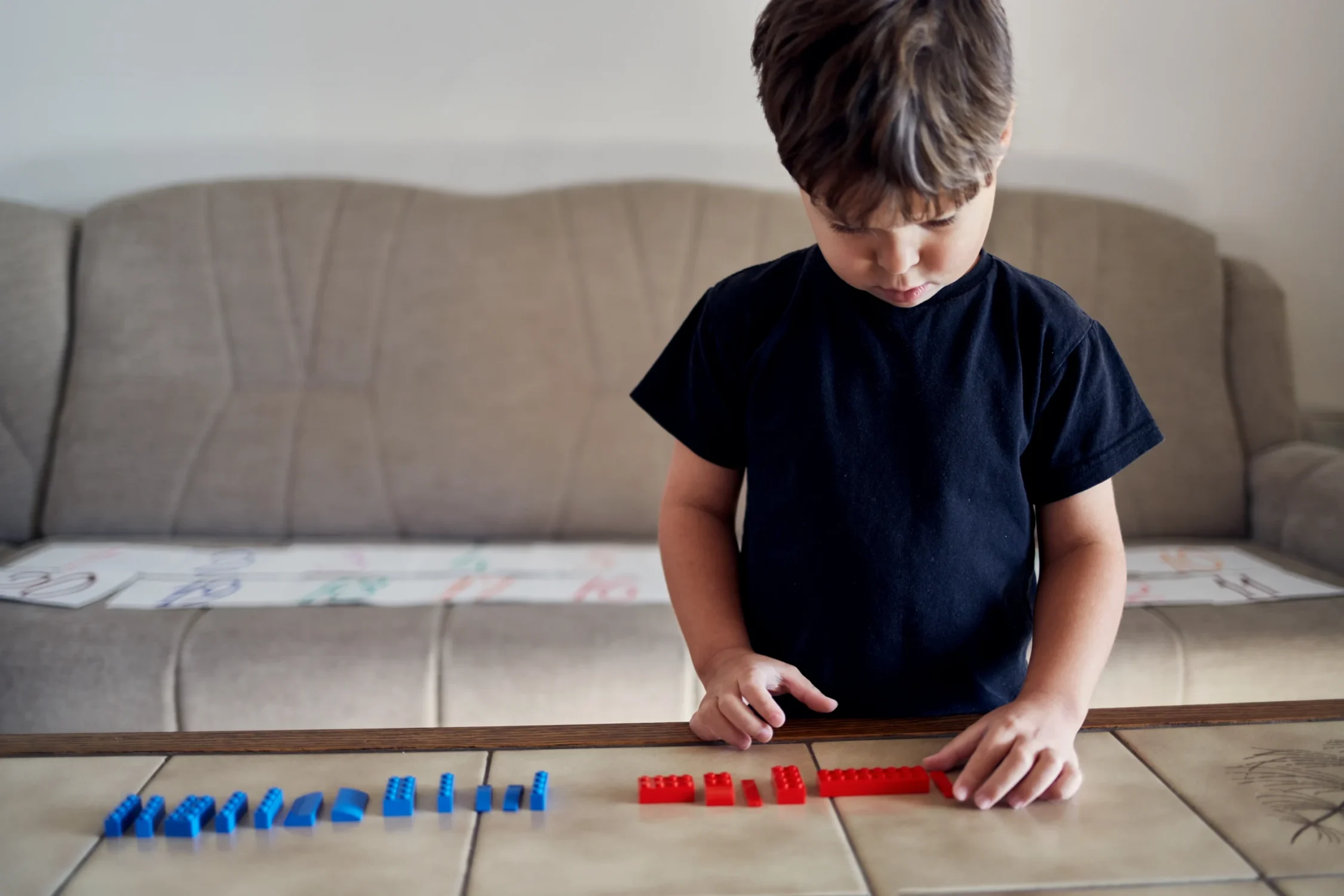
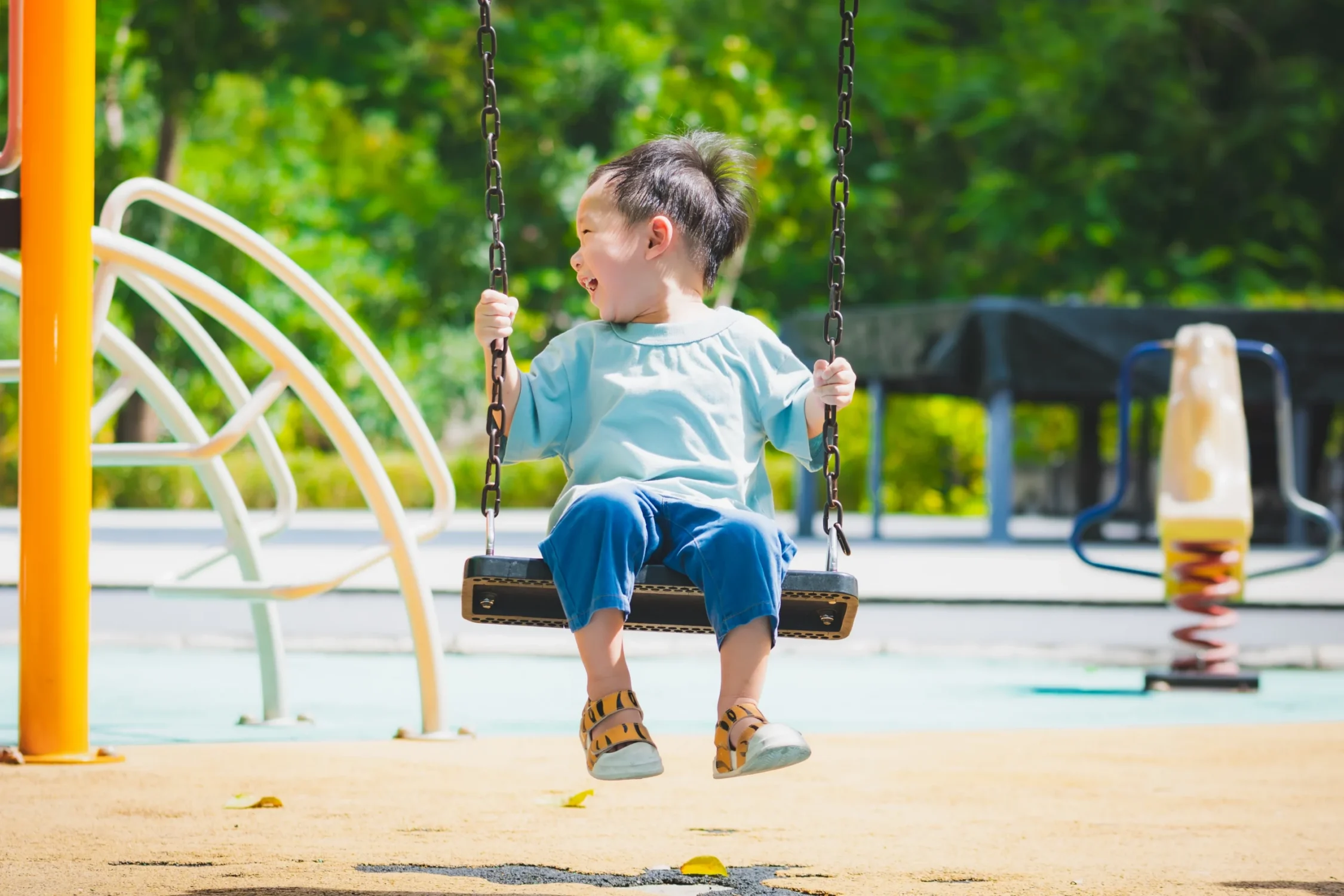
As soon as Celia gets home from school, she runs straight to her backyard. The fresh air, quiet open space, and sensory-regulating swingset all help her find a sense of calm after a hectic day at school.
But a few days later, when Celia joins her family at the zoo, you don’t see the same sense of freedom. Instead, she’s weaving through crowds, covering her ears from the noise, and struggling with the heat and overstimulation around her.
For autistic children like Celia, a day outdoors can feel either therapeutic or triggering. Outdoor play offers enormous benefits for emotional regulation, motor development, and sensory input — but outdoor environments are also unpredictable. Crowds, heat, loud noises, and sudden changes can quickly turn a fun outing into an overwhelming experience for both children and parents.
With the right support and strategies, outdoor time can become more manageable, meaningful, and enjoyable for both children and parents. This guide offers practical ideas to help your child feel more comfortable outdoors.
Why Outdoor Play Matters for Children with Autism
Autistic children tend to process movement, balance, and sensory input differently from their neurotypical peers. Differences in movement and sensory processing can shape how a child experiences the outdoors.
Some autistic children, for example, may react strongly to the sun’s rays or a blade of grass against their feet. Others may not feel enough sensory input from a simple walk and instead crave jumping, spinning, or falling down.
Outdoor environments naturally encourage movement in a way that promotes regulation, and skill development while also supporting self regulation in autism.
- Sensory regulation: Swinging, climbing, jumping, and water play can provide calming or organizing sensory input.
- Motor development: Uneven terrain, playground equipment, and active movement help children build coordination, balance, strength, and body awareness.
- Emotional regulation: Fresh air, movement, and open space can help children decompress after overstimulating environments or difficult transitions.
- Communication and social opportunities: Outdoor play naturally encourages requesting, labeling, turn-taking, and interaction with peers in a lower-pressure environment.
Common Challenges Parents Face with Outdoor Play
The unique difficulties that autistic children face have the potential to be heightened in an outdoor environment. Understanding these difficulties can help parents plan outings that feel safer, calmer, and more manageable.
Sensory Sensitivities and Overload
Most autistic children have some level of sensory hypersensitivity — making common experiences like bright sunlight, loud playgrounds, sticky sunblock, or unexpected sounds difficult to handle.
Repetitive sensory behaviors may also increase during stressful outings, which you can learn more about in this guide to understanding stimming in autism.
Transitions and Routine Disruption
Transitions are another common challenge for autistic children who rely heavily on routine and predictability. Moving between indoor and outdoor settings — particularly during a preferred activity — may trigger resistance, anxiety, or meltdowns.
Understanding the difference between autism meltdowns vs tantrums can also help parents respond more effectively during stressful moments.
Wandering and Elopement Safety
Elopement, or suddenly walking away from a safe area or caregiver, is a common behavior among autistic children. Kids may wander off to avoid sensory overload or anxiety, or to pursue something of interest.
Depending on a child’s needs, parents may rely on fenced play areas, GPS trackers, ID bracelets, or increased supervision to help keep outings safer and less stressful.
Sensory-Friendly Outdoor Activities for Autistic Children
Understanding your child’s unique strengths, difficulties, and sensory profile is the first step in shaping an outdoor experience that they can enjoy. Here are some activities to consider for various profiles:
For Sensory Seekers
Children who crave movement and sensory input are likely to enjoy trampolines, climbing structures, swing sets, sand or water play, mud kitchens, wheelbarrow pushing, or jumping on uneven terrain.
For Sensory Avoiders
Children who become easily overwhelmed may prefer quieter activities like nature walks, gardening, bubble blowing, chalk drawing, shaded reading areas, or examining plants and wildlife.
For Children Who Need Predictability
Visual scavenger hunts, obstacle courses with clear start-and-end points, or repeated walking routes can help outdoor time feel safer and more predictable.
How to Prepare Your Child for Outdoor Play
Small preparation strategies can make outdoor outings feel less overwhelming for autistic children:
- Using visual schedules or countdown timers before transitions
- Bringing sensory supports like headphones, sunglasses, or fidgets, as well as comfort items like water, sunscreen, and bug spray.
- Looking at photos or videos of new places beforehand
- Sticking with shorter, lower-pressure outdoor activities
- Ensuring outdoor spaces are secure or fenced in if your child is prone to wandering
How ABA Strategies Support Outdoor Play
ABA strategies can help outdoor play feel more manageable for autistic children. Therapists who provide in-home ABA therapy can model and practice outdoor play strategies with parents — including:
- Reinforcement: Offering a toy, praise, or incentive to a child who tries a new activity or tolerates an uncomfortable sensory experience — such as a crowded playground.
- Natural environment teaching (NET): Natural environment teaching in ABA uses everyday, real-world moments — such as in the park or backyard — to strengthen communication, gross motor skills, and sensory integration.
- Visual supports and social stories: Visual schedules, social stories, and cue cards can reduce anxiety due to uncertainty or transitions before and during outdoor play.
How United Care ABA Supports Families Beyond Therapy Sessions
Raising a child with autism can be rewarding, but also incredibly demanding. You were never meant to do this alone.
At United Care ABA, our community-based ABA therapy and in-home services extend beyond structured indoor sessions to incorporate real-world play, communication, and interaction. Therapists work closely with families to incorporate outdoor play into individualized treatment goals — whether that means practicing transitions in the backyard, building sensory tolerance at a local park, or supporting a child’s first trip to a new outdoor space.
If you’d like to learn more about how ABA therapy helps children, explore additional ABA resources for parents, or learn more about United Care ABA, feel free to schedule a consultation today.
FAQs About Autism and Outdoor Play
Is outdoor play good for children with autism?
Yes. Outdoor play supports sensory regulation, motor development, emotional regulation, and social interaction. With the right preparation and support, it can be both therapeutic and enjoyable.
What outdoor activities work best for autistic children?
It depends on your child’s sensory profile. Sensory seekers often enjoy trampolines, climbing, and water play. Sensory avoiders may prefer nature walks, gardening, or chalk drawing. Children who need predictability do well with scavenger hunts or repeated routes.
How can I help my autistic child enjoy outdoor play?
Use visual schedules to ease transitions, bring sensory supports like headphones or sunglasses, preview new environments ahead of time, and start with short, familiar outings before expanding to new settings.
What if my child is overwhelmed by outdoor environments?
Identify the specific triggers, modify the environment where possible, and build exposure gradually. Having a quiet retreat nearby can help. An ABA therapist can develop personalized strategies for your family.
How can ABA therapy support outdoor play skills?
ABA therapists use reinforcement, NET, and visual supports to build tolerance, communication, and social skills in real outdoor settings, and can coach parents on how to carry those strategies into everyday outings.