
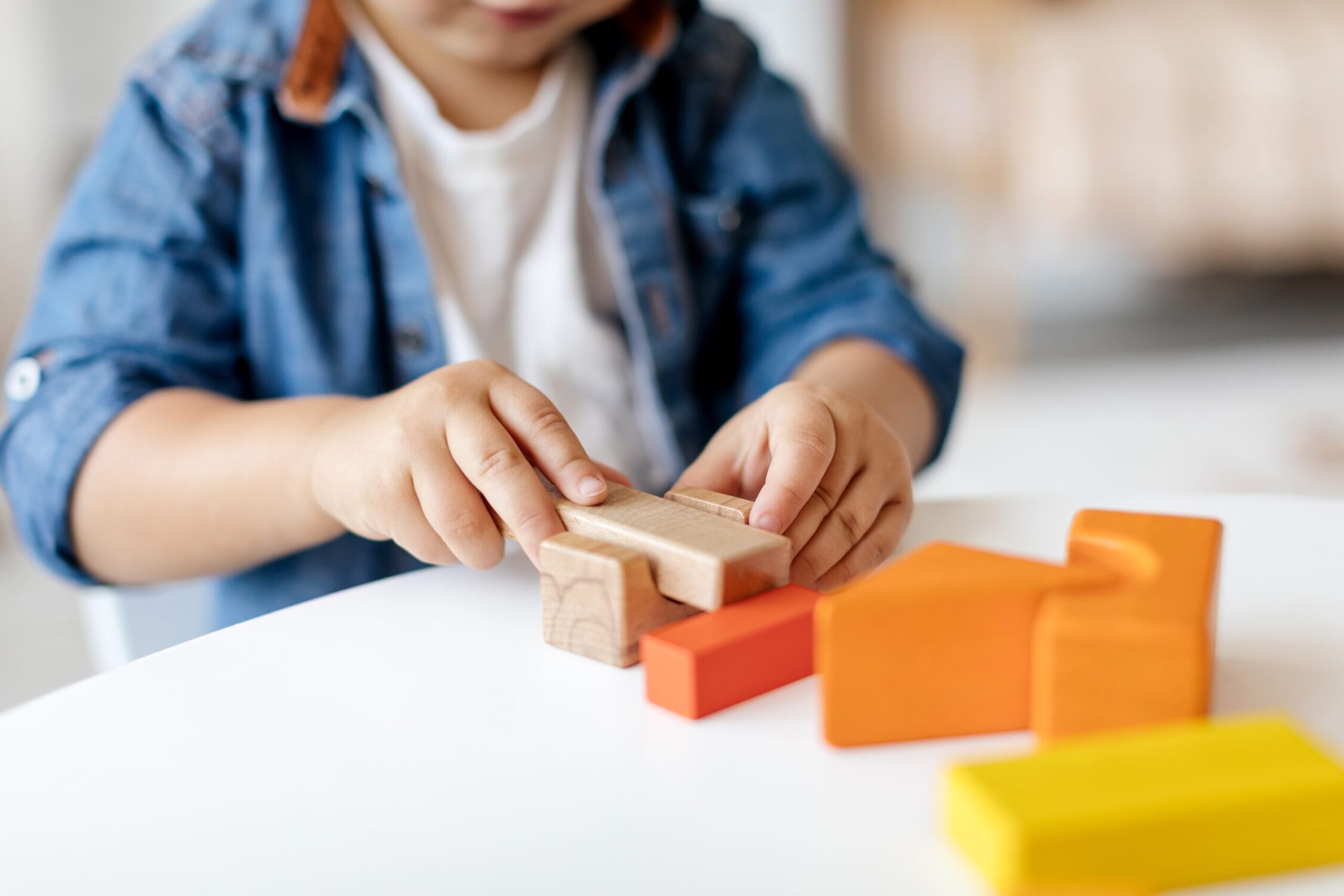
A behavioral cusp is a skill that, once a child masters it, unlocks progress across many other areas of development at once. In ABA therapy, these high-impact “gateway” skills are some of the most valuable goals a BCBA can target — especially for children with autism or developmental delays.
You’ve likely seen this firsthand. Consider the child who learns to calmly request help instead of screaming: suddenly family dinners get calmer, outings feel less stressful, and preschool teachers can better understand their needs. Or the child who begins copying classmates during circle time instead of sitting alone — now they can learn socially from other children instead of relying entirely on adults for instruction.
These are behavioral cusps. Keep reading to learn why they matter so much and how ABA therapists build them into treatment plans to unlock your child’s potential.
What Is a Behavioral Cusp in ABA?
A behavioral cusp in ABA therapy is a gateway skill that creates broader developmental progress once mastered. Think of it as a domino effect — once a child learns the skill, growth in other areas often becomes easier and more natural.
The term was first introduced in behavior analysis research by Ruiz & Baer nearly three decades ago, and it remains central to how today’s ABA therapists choose treatment goals for children with autism and developmental delays. Many behavioral cusps are developed through play-based, real-world learning approaches such as natural environment teaching in ABA.
Behavioral Cusp Examples in ABA Therapy
Behavioral cusps are often easier to understand through real-life examples. Here are some common examples ABA providers may target in children with autism:
Learning to Communicate Needs (Manding)
One of the most important behavioral cusps in ABA therapy is functional communication — whether through spoken language, sign language, pictures, or an AAC (augmentative and alternative communication) device. This skill set is often strengthened through strategies like positive reinforcement in ABA,
Once a child can reliably communicate wants and needs, they may begin to:
- Participate more socially with family and peers
- Ask for help instead of melting down
- Express preferences and emotions more clearly
- Build greater independence at home and school
Imitation
When a child begins copying peers or adults, social and classroom learning often accelerates. Suddenly, they can:
- Learn play skills from other children
- Participate more during circle time and group activities
- Pick up classroom routines through observation
- Develop social and communication skills more naturally
Navigating Routines Independently
For many autistic children, learning to independently move through routines and transitions can become a major gateway to school readiness and daily participation. ABA therapists often use tools like visual schedules to help build this skill. Once this skill develops, children may begin to:
- Participate more independently at school or daycare
- Transition between activities with less frustration
- Rely less on constant adult prompting
- Feel more confident during everyday routines
In addition to the above behavioral cusps, some classic examples outside therapy include crawling, reading, and riding a bike.
Why BCBAs Prioritize Behavioral Cusps
Once a child starts ABA therapy, their provider assigns them several goals across multiple functional areas depending on their individual challenges and developmental needs.
Not all therapy goals carry the same weight, however. While some skills create progress in one specific area, behavioral cusps often create broader ripple effects across many areas of development.
That’s why BCBAs tend to prioritize behavioral cusps when building treatment plans. Rather than teaching isolated skills one at a time, ABA therapists frequently focus on behavioral cusps most likely to create broader developmental progress over time.
But perhaps most importantly, behavioral cusps have a unique ability to improve everyday life in ways families genuinely feel and notice — a concept in ABA known as social validity. Once such skills develop, progress doesn’t stay confined to therapy sessions or progress tracking — it carries over into life at home, participation at school, and interaction with the broader world.
Behavioral Cusp vs. Pivotal Behavior: What’s the Difference?
Behavioral cusps are not the only high-impact goals BCBAs prioritize during ABA therapy.
Another important concept in treatment planning is pivotal behaviors — skills that strengthen many existing behaviors at the same time.
While the two concepts are closely related, they work a little differently:
- Behavioral cusp = external access
- Pivotal behavior = internal generalization
For example, learning to use a communication device functions as a behavioral cusp because it opens new opportunities for social interaction. Emotional regulation, on the other hand, is more of a pivotal behavior because it often carries over into many other existing skills and behaviors.
Both play an important role in ABA therapy, and BCBAs often incorporate both when building treatment plans.
What This Means for Your Child’s Treatment Plan
We now know that behavioral cusps are a core component of ABA treatment planning because they often lead to broader developmental progress. If your child is receiving ABA therapy — or preparing to start — your provider may focus heavily on skills capable of creating meaningful growth across many areas at once.
Many of these priorities are identified during the initial evaluation and treatment planning process. To learn more about what that involves, read our guide to ABA assessment explained.
The effects of ABA therapy often compound when parents and therapists work closely together. Asking your BCBA which current goals are considered behavioral cusps — and why they’re being prioritized — can help ensure your child’s treatment plan is focused on the skills most likely to create the biggest impact across everyday life. Additionally, ABA training for parents can play an important role in helping skills carry over into everyday life.
How United Care ABA Uses Behavioral Cusps
At United Care ABA, we employ a collaborative approach with parents — one in which meaningful goals are pursued and met through play, everyday interaction, and strong family involvement.
Behavioral cusps play an important role in that process. Our BCBAs build individualized treatment plans around each child’s strengths, challenges, and developmental needs, prioritizing the skills most likely to unleash broader growth in multiple foundational areas.
Because progress is most meaningful when it carries over beyond therapy sessions, we give parents the tools and support needed to help their child continue growing at home, at school, and throughout everyday life.
If you’d like to learn more about how ABA therapy helps children, explore additional ABA resources for parents, or learn more about United Care ABA, feel free to schedule a consultation today.
FAQs About Behavioral Cusps in ABA
What is a behavioral cusp in ABA?
A behavioral cusp is a foundational skill that creates broader developmental progress once mastered. These skills are prioritized in ABA therapy because they often strengthen communication, learning, independence, and social participation all at once.
What is an example of a behavioral cusp?
Examples of behavioral cusps include walking, reading, learning to use the internet, functional communication, imitation, and independent self-care skills. These types of skills often create meaningful ripple effects across many areas of a child’s daily life.
What is the difference between a behavioral cusp and a pivotal behavior?
A behavioral cusp helps children engage with new experiences and forms of participation, while a pivotal behavior strengthens many existing behaviors at the same time.
Is walking a behavioral cusp?
Yes. Walking is considered a classic example of a behavioral cusp because it dramatically increases a child’s independence and ability to interact with the world around them.
How do BCBAs decide which skills are behavioral cusps?
BCBAs can recognize and target behavioral cusps for their ability to unlock broader progress across various developmental areas – such as communication, learning, independence, emotional regulation, and social participation. Many behavioral cusps are identified during the initial assessment process. Learn more in our guide to ABA assessment explained.