What Is Pairing in ABA Therapy?
Pairing in ABA therapy is the process of building trust with your child by joining their favorite activities and offering fun freely before asking anything of them. Over time, your child links the therapist with good things. That trust makes later learning easier, and United Care ABA therapists revisit it throughout care.
- No demands at first — the therapist follows your child’s lead and offers fun freely.
- Why it matters: research links pairing to more engagement and fewer challenging behaviors.
- Timing varies — some children connect in a few sessions, others need longer.
- It’s revisited after breaks, illness, or a new therapist.
- Not bribery — trust is built before any request is made.
Pairing ABA definition, in plain language
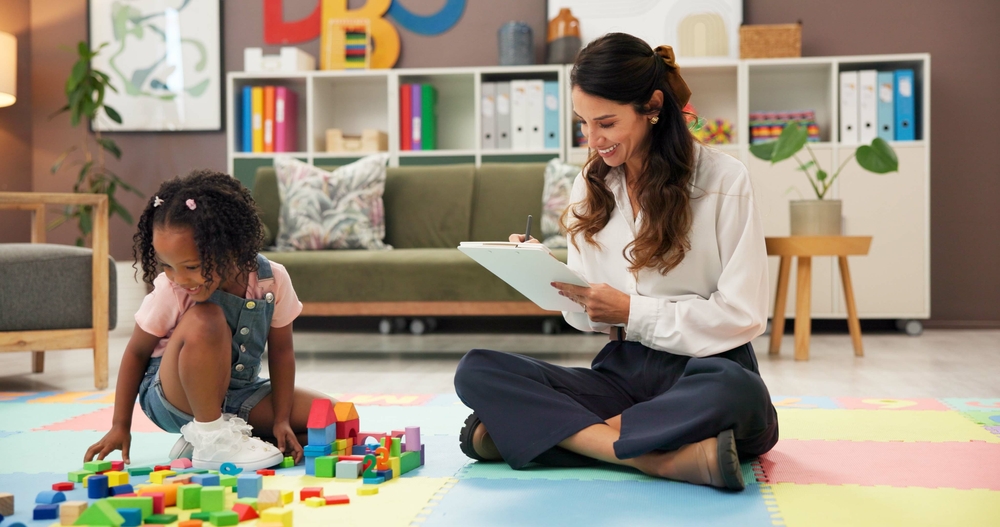
Pairing means your child’s therapist becomes someone your child enjoys seeing. If you’re new to ABA, it’s easier to picture pairing through play: the therapist joins your child’s favorite game, shares toys, and spends time getting to know them. Before teaching begins, they give your child a chance to enjoy being together.
Why it’s called “pairing”
The therapist connects, or “pairs,” with things your child already loves. That might be bubbles, a favorite toy, a silly song, or a snack. As your child enjoys those things with the therapist again and again, they begin to associate the person with the good time they’re having.
How Does Pairing Work in ABA?
The pairing procedure in ABA follows your child’s interests and comfort level. Here’s what the therapist does:
- No demands at first. The therapist spends time with your child without asking them to complete tasks or follow directions. For now, the goal is to enjoy that time together.
- Follow your child’s lead. If your child picks up blocks, rolls a ball, or opens a favorite book, the therapist watches and joins in.
- Offer fun freely. Favorite toys and activities are available without your child having to do something in return. The therapist might add sound effects to a game or bring out the bubbles.
- Become a source of good things. As those experiences build, your child starts to connect the therapist with things they enjoy. They may come over to play on their own.
- Add small, easy asks slowly. Once your child feels comfortable, the therapist introduces requests like “give me five” or “pass the ball” while continuing to play.
Why Is Pairing Important in ABA Therapy?
Pairing builds the trust and motivation that learning depends on. A child who enjoys spending time with their therapist is more likely to stay engaged, try something new, and feel safe during sessions.
Research supports this approach. In one study, a child chose sessions with a therapist who had done pairing over other options. Another study found that a short pairing period before sessions was linked to fewer challenging behaviors for children with autism.
That time spent getting comfortable with the therapist has a purpose, even when a session looks mostly like play.
What Does Pairing Look Like? Real ABA Pairing Examples
Pairing activities in ABA start with what your child likes. These ABA pairing examples show what the therapist might do and the signs you may notice:
These pairing activities may look familiar because your child already enjoys them. They also connect to learning through play and everyday routines, which is how many skills are taught later in therapy.
How Long Does Pairing Take?
It varies by child. Some children connect within a few sessions. Others take longer, especially when they’re cautious around new people or in unfamiliar places. Your child’s BCBA looks for signs they’re comfortable with the therapist, rather than expecting them to be ready by a certain session.
How Can You Tell Pairing Is Working?
You may notice your child choosing to spend more time with the therapist. Signs that pairing is working include:
- Coming to the therapist willingly
- Looking up or smiling when the therapist arrives
- Staying nearby during play
- Showing fewer signs of avoidance, like turning away or leaving the room
Is Pairing Ever Done Again?
Yes. Re-pairing is a normal part of ABA therapy. After an illness, a holiday, another break, or a switch to a new therapist, your child’s team may spend more time helping them feel comfortable again. Repairing the relationship is part of caring for it, rather than a sign that your child has lost progress.
You may also hear pairing mentioned alongside other ABA terms. Here’s how they compare:
How Parents Can Support Pairing
You can help the therapist get to know your child and use the same ideas during your own time together:
- Share your child’s favorites. Let the team know which toys, foods, shows, and activities your child enjoys most.
- Try pairing at home. Join your child’s play, follow their lead, and spend some time together without asking them to do anything.
- Ask questions. Your BCBA can explain what they’re looking for during pairing and how it fits into your child’s plan.
Through ABA parent training, you can learn the relationship-building strategies your child’s therapist uses.
How United Care ABA Approaches Pairing
At United Care ABA, pairing is part of your child’s plan from day one. Our BCBAs design and supervise each plan, and our RBTs are trained to build rapport with children.
Sessions are child-led and assent-aware. That means we pay attention to whether your child feels comfortable and willing to participate. When something isn’t working, we adjust.
We work with you from the start, whether your child receives one-on-one ABA therapy at home or in the community. If you’re new to the process, reading what to expect from an ABA assessment can help you understand that first step.
FAQs
Is pairing in ABA the same as bribery?
No, pairing builds a relationship before any request is made, while bribery offers a reward to stop a behavior already happening. During pairing, your child can enjoy time with the therapist without having to earn it. Pairing works alongside positive reinforcement in ABA, which rewards skills after they happen.
How long does pairing last in ABA?
The first phase usually lasts a few sessions, but each child needs time to feel comfortable. Some warm up quickly; others need longer. Once teaching begins, the therapist continues pairing in small ways, keeping enjoyable activities and time together part of your child’s care.
Can parents use pairing at home?
Yes, you can use pairing at home by joining your child in their favorite play without asking them to do anything. Build a block tower together, sing a song they love, or play a chasing game. Your BCBA can help you use these ideas in ways that fit your family’s routine.
What happens if my child doesn’t pair with their therapist?
Your child’s team adjusts the approach if your child isn’t connecting with their therapist. They may try different activities or rewards, change the session setup, or occasionally assign another therapist. This is common and can be worked on. It doesn’t mean therapy isn’t working.
Is pairing only used at the start of ABA therapy?
No, pairing continues throughout ABA therapy, including after breaks, illness, or changes such as a new therapist or a move. Therapists also keep enjoyable activities in every session. The aim is for your child to keep looking forward to time together as teaching becomes part of it.
Is pairing the same as stimulus-stimulus pairing?
No, stimulus-stimulus pairing is a separate technique that pairs sounds with things a child likes to encourage early vocal sounds.
2 References
-
Kelly, A. N., Axe, J. B., Allen, R. F., & Maguire, R. W. (2015). Effects of presession pairing on the challenging behavior and academic responding of children with autism. Behavioral Interventions, 30(2), 135-156. https://doi.org/10.1002/bin.1408
-
Lugo, A. M., McArdle, P. E., King, M. L., Lamphere, J. C., Peck, J. A., & Beck, H. J. (2019). Effects of presession pairing on preference for therapeutic conditions and challenging behavior. Behavior Analysis in Practice, 12(1), 188-193. https://doi.org/10.1007/s40617-018-0268-2