
Melanie’s five-year-old son Robbie began ABA therapy last month.
She’d done her research before his first session — read about play-based learning, Discrete Trial Training, and Registered Behavior Technicians. She felt informed, at least on paper. But knowing the terminology and actually understanding what her son experiences every day at the clinic are two different things.
This anxiety is normal. Many parents feel unsure about ABA therapy because they don’t know what they do in ABA therapy or what happens in a typical session.
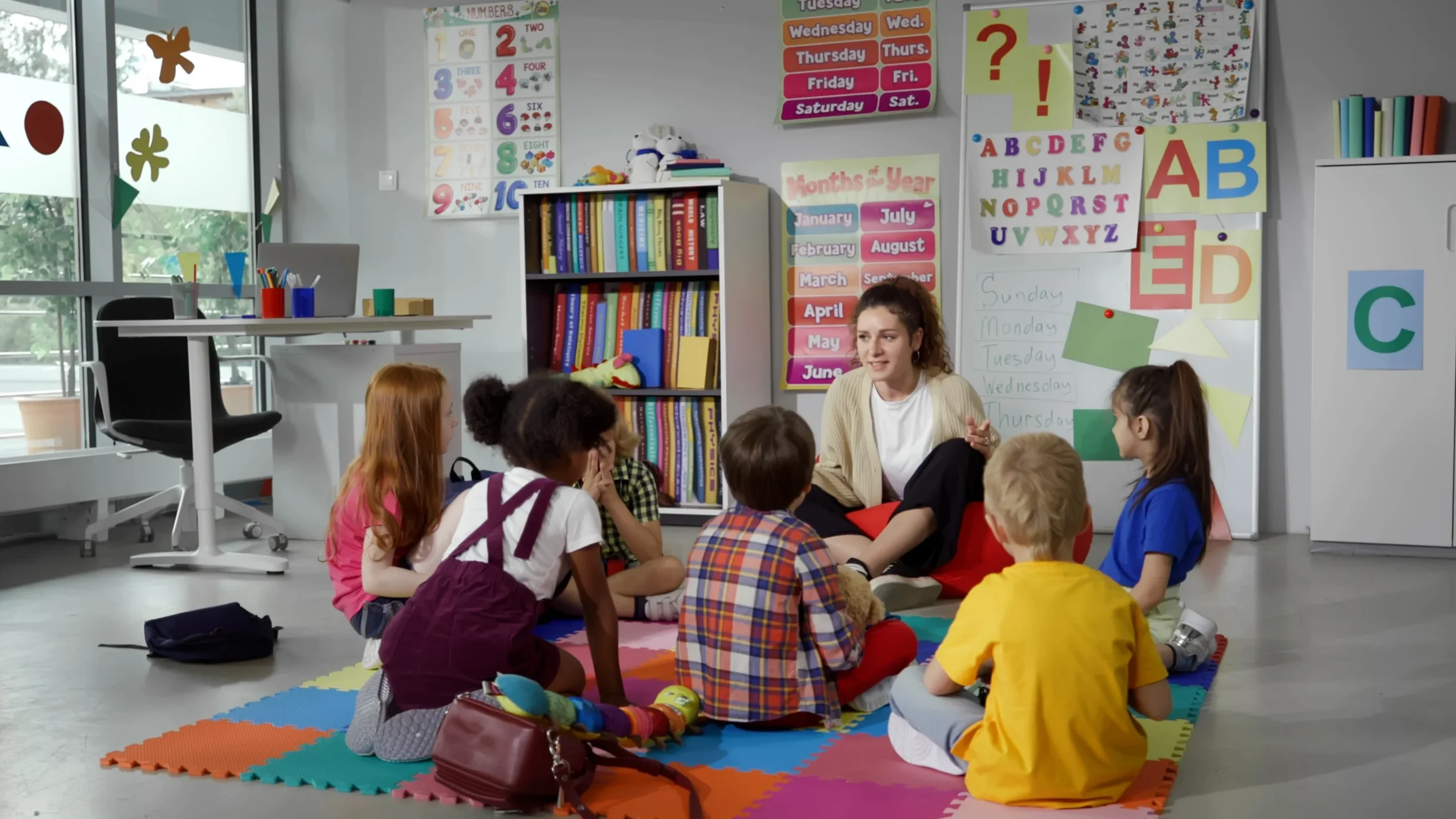
So come along with Melanie, Robbie, and his RBT Helena, and spend a session at the clinic — seeing ABA therapy the way a parent sees it, from the outside looking in.
Pairing and Rapport Building
Helena begins every session by connecting to Robbie — What’s known as “building rapport.” She does this by joining him in an activity he enjoys, whether it’s a game, toy, or movement.
Robbie’s favorite activity is moving a red matchbox car up and down a road mat on the floor, making soft car noises under his breath. Helena copies him, picking up her own car and mimicking his sounds. The goal of this is to build trust and make Robbie want to be around her.
From a window in the door, Melanie watches as it works — Robbie warms up to Helena, moving closer towards her and offering to share his car. Melanie later finds out that Helena spent the first six sessions with Robbie at this initial rapport-building stage. Building trust takes time.
Structured Learning
Once Robbie is engaged, Helena introduces targeted goals, using structured teaching (known in ABA as discrete trial training, or DTT).
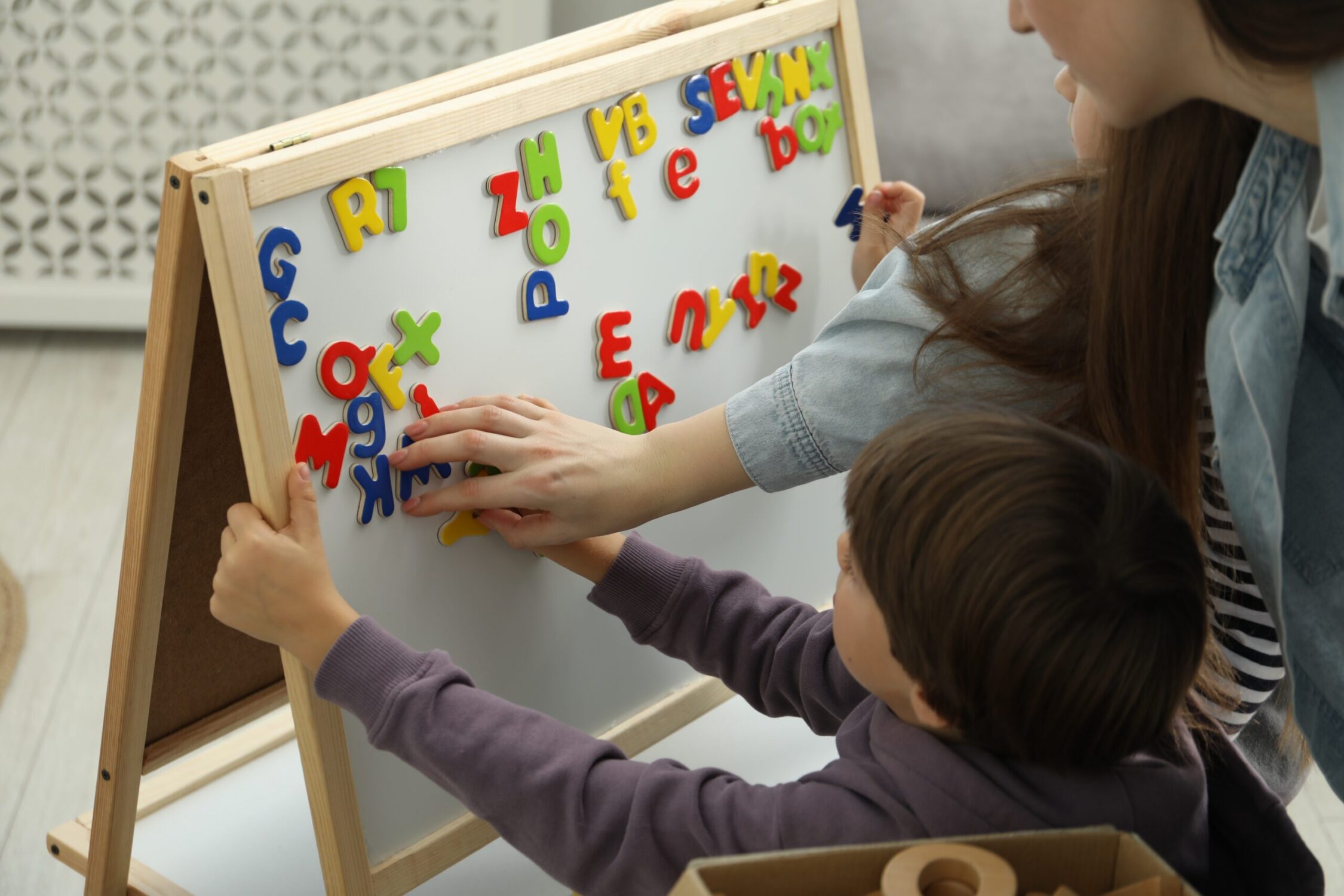
She begins giving Robbie short, clear instructions, holding up a baby bottle and asking him to tell her what it is. After they go through a few objects, she shows him five pictures — two of which are identical — and asks Robbie to show her which are the same.
Whenever Robbie successfully follows an instruction, she praises him effusively, sometimes handing him a sticker.
To finish off this stage, she roleplays a few actions, like clapping three times, and tells Robbie to imitate her. He does, and from the window, Melanie’s heart swells with pride.
Play-Based and Natural Environment Teaching
After this, Robbie is back to learning through play. Helena takes out a board game and reminds Robbie that they must wait for the other one to finish their turn before moving pieces around the board.
When they finish the game she brings out a plate of grapes, sandwich cookies, and wafers, and waits until Robbie verbally asks for the wafers before giving them to him.
This is known as natural environment teaching (NET) in ABA: embedding learning into everyday life moments rather than confining it to structured teaching. The goals are the same, but the context is real life rather than at a table.
This helps with generalization — helping Robbie realize that these aren’t just “things I do with Helena;” they’re “things I just do.”
Practicing Daily Living Skills
Melanie has been joined by Julia — Robbie’s Board Certified Behavior Analyst (BCBA). She’s the one who created Robbie’s treatment program and supervises his ABA sessions.
She tells Melanie that many ABA treatment plans include time to focus on practicing functional routines such as handwashing, getting dressed, eating or cleaning up. These are best practiced in the environment they usually happen in, which is home, in Robbie’s case.
In Robbie’s case, Julia doesn’t think in-clinic work on daily living skills is the priority right now, but this is exactly what their regular parent coaching sessions are for — giving Melanie the tools to help Robbie through these daily activities in a way he’ll find enjoyable.
Data Collection and Tracking Progress
Helena has been writing notes in a little legal pad throughout the entire session. She records data of Robbie’s progress for every goal that has been set, down to how much prompting he needed and how quickly he responded. This way, Julia can review the data regularly, monitor Robbie’s progress and adjust the treatment plan as necessary.
What Happens on a Hard Day
Melanie remembers last Wednesday. Getting Robbie out of the house had been a struggle — he’d been dysregulated since he woke up, and she’d spent the whole drive to the clinic feeling guilty about dropping him off.
She asks Julia how that session went.
Julia is honest: it was a hard one. Helena had spent a longer portion of the session pairing and building trust before introducing any structured learning. And even then, she was careful to only include activities she knew Robbie enjoyed.
ABA sessions are never forced, and therapists adjust to make sure a child always feels safe and has a positive experience, especially if they’re having a difficult day.
Parent Communication and Updates
Robbie’s session is over, and Helena now has the opportunity to give her weekly debrief to Melanie in person. (Note that some providers communicate with parents after every session, while others communicate at other regular intervals.)
Helena tells Melanie what specific skills she worked on with Robbie, what he showed improvement in, and what Melanie could do to reinforce progress at home.
Understanding what happens during ABA therapy helps parents reinforce the same skills at home. That’s why feedback is essential for generalization (when skills learned in therapy show up in real life). When Melanie knows what Robbie’s working on, she can reinforce those same skills at home, at the park, at the dinner table.
How United Care ABA Structures Sessions
Robbie and Melanie’s experience shows what ABA therapy looks like at United Care ABA. Our sessions follow that framework—designed by a BCBA, tailored to the individual child, and flexible enough to meet kids where they are, even on a bad day.
We track progress and data carefully, involve parents as active partners, and focus on extending skills learned in a session to everyday life.
If a day like Robbie’s sounds like what your child needs, we’d love to talk. Schedule a consultation and we’ll take it from there.
Frequently Asked Questions
What does a typical ABA therapy session look like?
A typical ABA therapy session is an individualized, play-based session in which a RBT works one-on-one with a child, following a clear structure and teaching activities to improve communication, daily living skills, and social skills, among other things.
How long is an ABA session?
ABA sessions typically run between two and five hours, though this really depends on the child. Some kids start with shorter sessions and build up over time. Others receive more intensive programming — as many hours as a school day. Your BCBA will look at your child’s age, needs, and goals and recommend what makes sense for them specifically.
Is ABA therapy just sitting at a table?
No. Most ABA therapy sessions include lots of movement, action, and games. It also can take place in different settings—on the floor, on the couch, outside, and during everyday routines like snack time. Playtime (including sandboxes, swingsets etc.) is also a big part of ABA therapy.
What happens during the first ABA session?
The first ABA session is solely focused on building rapport, trust, and a sense of safety for the child in treatment. It’s a necessary step in building a positive relationship so the ABA program can be applied successfully.
How will I know if my child is making progress?
Your child’s BCBA will frequently be in contact with you to update you on your child’s progress during the session. At a certain point (the length of time is dependent on your child’s learning style) you should be able to notice visible changes in your child’s behavior at home.